OnlyFans Taxes: What Agencies and Creators Need to Know
Understand OnlyFans taxes, IRS requirements, self-employment rules, 1099-NEC filings, and quarterly payments for creators.
OnlyFans has become a multi-billion-dollar industry that has changed the lives of many content creators who now earn vast amounts of money from their work.
As an agency, you have an excellent opportunity to capitalize on this trend - but be aware of the elephant in the room: taxes.
Because OnlyFans creators are classified as small business owners by the IRS, they are required to pay self-employment tax in addition to income tax on their earnings.
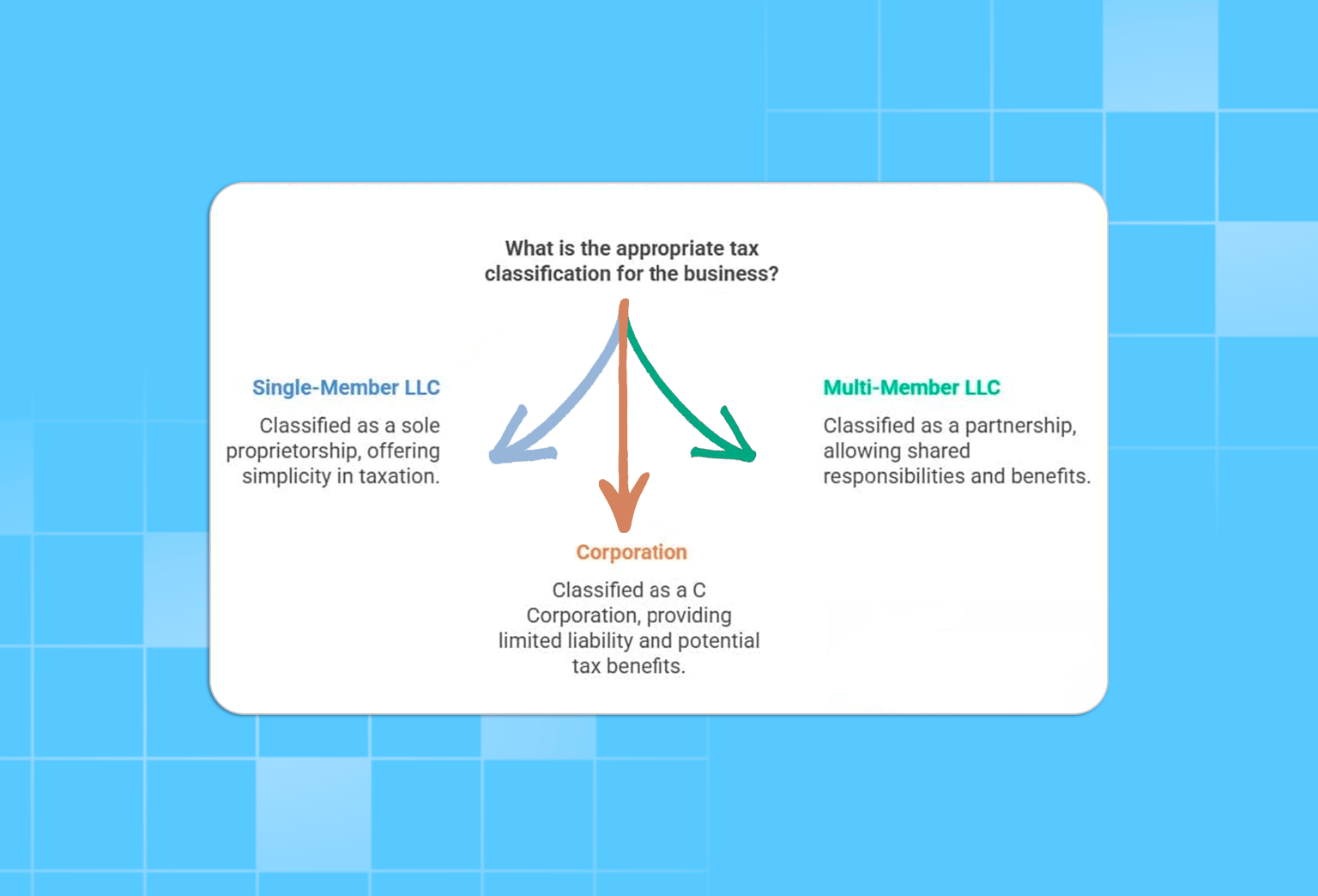 Tax classification for companies in the USA by ITC
If you're managing one of these individuals, it's crucial that you're aware of this so that you can protect them from potential financial and legal issues down the line.
By understanding OnlyFans taxes and how they affect both your agency and its clients, you'll be better equipped to provide top-notch service while also keeping everyone involved safe from any problems with the IRS.
Understanding OnlyFans Tax Obligations: An Agency-First Perspective
If you're an agency managing OnlyFans creators, then you need to know about taxes. Your job isn't just to help them make money, but also to protect them (and your agency) from the IRS.
Why Tax Management Is Critical for OF Agencies
Let's face it: if you're not taking care of your client's taxes, then you're not doing your job. The IRS is very interested in OnlyFans creators who make six figures or more but don't pay their taxes on time (or at all). And we're not talking about pennies here; the penalties and interest can be huge.
As an agency, part of your role is to help clients navigate these issues - and keep them out of trouble. One recent case involved an OnlyFans content creator who was charged with filing a false tax return and failing to pay income taxes.
At the time, prosecutors alleged she owed more than $1.6 million in back taxes. It's up to you to make sure this doesn't happen to any of your clients.
Self-Employment Status and Its Implications
The IRS considers all OnlyFans creators self-employed independent contractors. This means they must pay both income tax and self-employment tax on their earnings - something many artists don't realize until it's too late (and they've already spent the cash).
Income Tax: OnlyFans does not withhold taxes from payments to creators. When they pay you 80% of what you've earned, that's gross income - it's all yours. The flip side of this is that you're responsible for paying all of the taxes on that money.
Self-Employment Tax:
As a self-employed individual, you owe federal and state income taxes on the profits from your OnlyFans account. In addition to income taxes, you'll pay self-employment taxes to cover Social Security and Medicare taxes.
The rate for these taxes is 15.3%. If you had a job at a company, they would pay half of this amount, and it would be taken out of your paychecks. However, since you're now self-employed and consider this income, you will need to pay the full 15.3% tax rate on your earnings.
Tax Compliance Requirements Agencies Must Enforce
It is vital that you keep accurate records of your income and expenses for tax purposes.
You should report all income from OnlyFans on your taxes, including subscriptions, tips, and pay-per-view messages. You will need to file taxes if you earn more than $400 in a year.
If you make more than $600 on the platform, OnlyFans will issue a 1099 form to both you and the IRS. You must also make estimated quarterly tax payments throughout the year.
The IRS requires U.S. taxpayers to pay taxes "as you go" rather than all at once when you file your return. If you don't pay enough throughout the year, you may owe an underpayment penalty when you file your taxes.
Essential Tax Forms and Filing Requirements
If you're an agency managing taxes for OnlyFans creators, you're not going to be using the simple 1040EZ tax form any longer. As a business, you're going to have to get to know some other forms pretty well.
1. Form 1099-NEC: Non-Employee Compensation
Form 1099-NEC is the form that OnlyFans sends to creators (and the IRS) every January. If your creator has earned more than $600, they'll receive one of these forms showing the total amount of money they made on the site during the tax year.
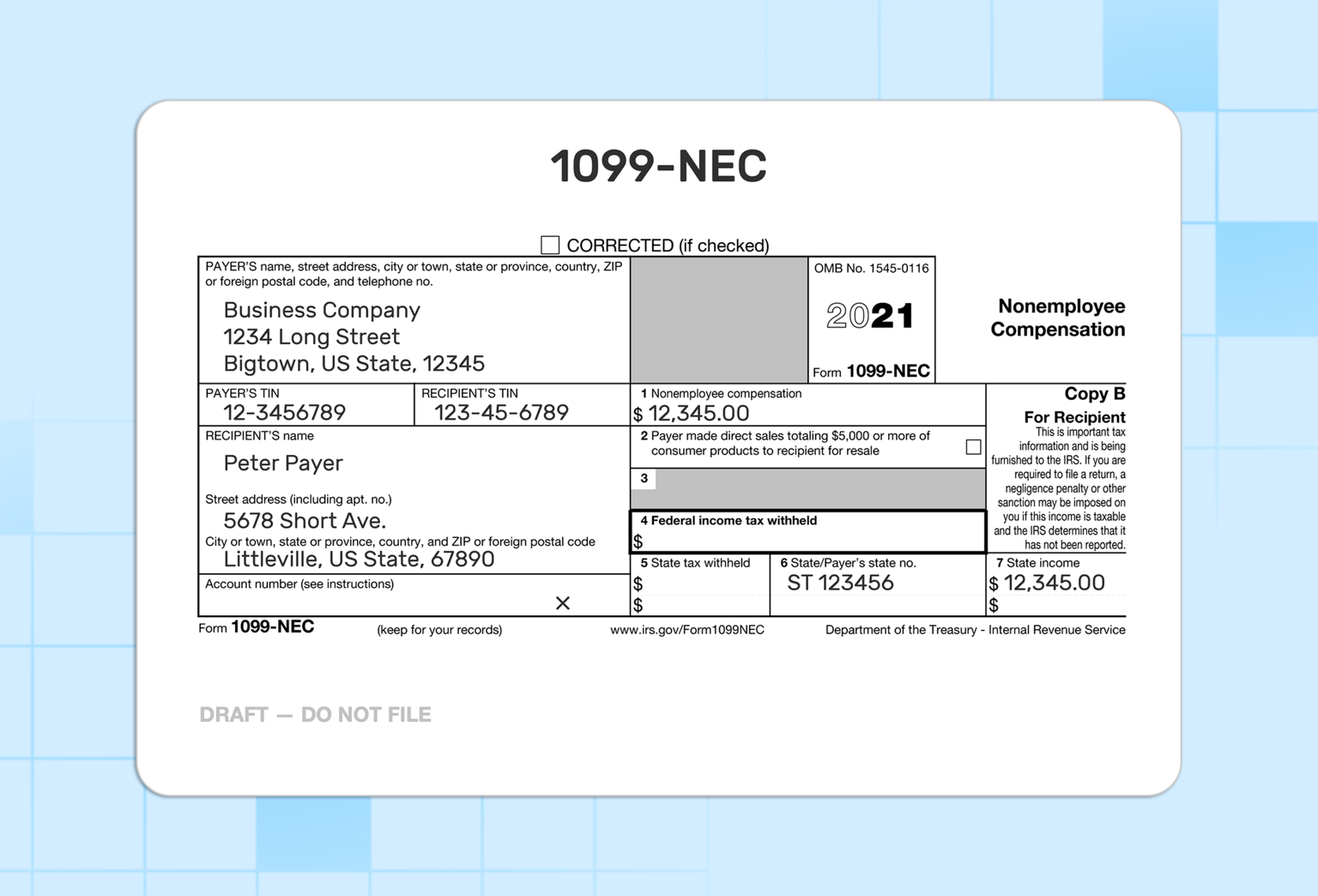 Appearance of tax form 1099-NEC
As the agency handling their taxes, it's your job to make sure their W-9 info is correct, so this form is accurate.
Why? Because the IRS uses this form to match up with their tax return. And because the 1099-NEC shows how much money they made, it's the number upon which their whole tax return is based.
2. Schedule C: Profit or Loss from Business
If Form 1099-NEC shows how much money your creator made, Schedule C tells the story of their business. This form is not a separate tax return but an attachment to the standard Form 1040. It's where you'll record the gross income reported on the 1099-NEC.
The middle section of the form is used to list all business expenses, such as fees paid to you (the agency), equipment purchases (like cameras and ring lights), and software subscriptions.
The total business expenses are subtracted from the gross income to arrive at the net profit from the business. This figure is then reported as taxable income on the 1040.
3. Schedule SE: Self-Employment Tax Calculation
After calculating the net profit on Schedule C, the next step is to complete Schedule SE. This form is used to calculate how much self-employment tax is owed on the net earnings from the business.
Self-employment taxes are reported on Schedule SE and are calculated separately from income tax. The total self-employment tax is added to the total tax liability on Form 1040.
A lot of first-time entrepreneurs are startled by this extra 15.3 percent tax bill, but it's an important one: This is how you pay your part of Social Security and Medicare taxes.
4. Additional Forms for Comprehensive Tax Filing
You've now met the core three forms that every OnlyFans creator needs to file their taxes correctly: Schedules C and SE, and Form 1040. But depending on your situation, there may be others.
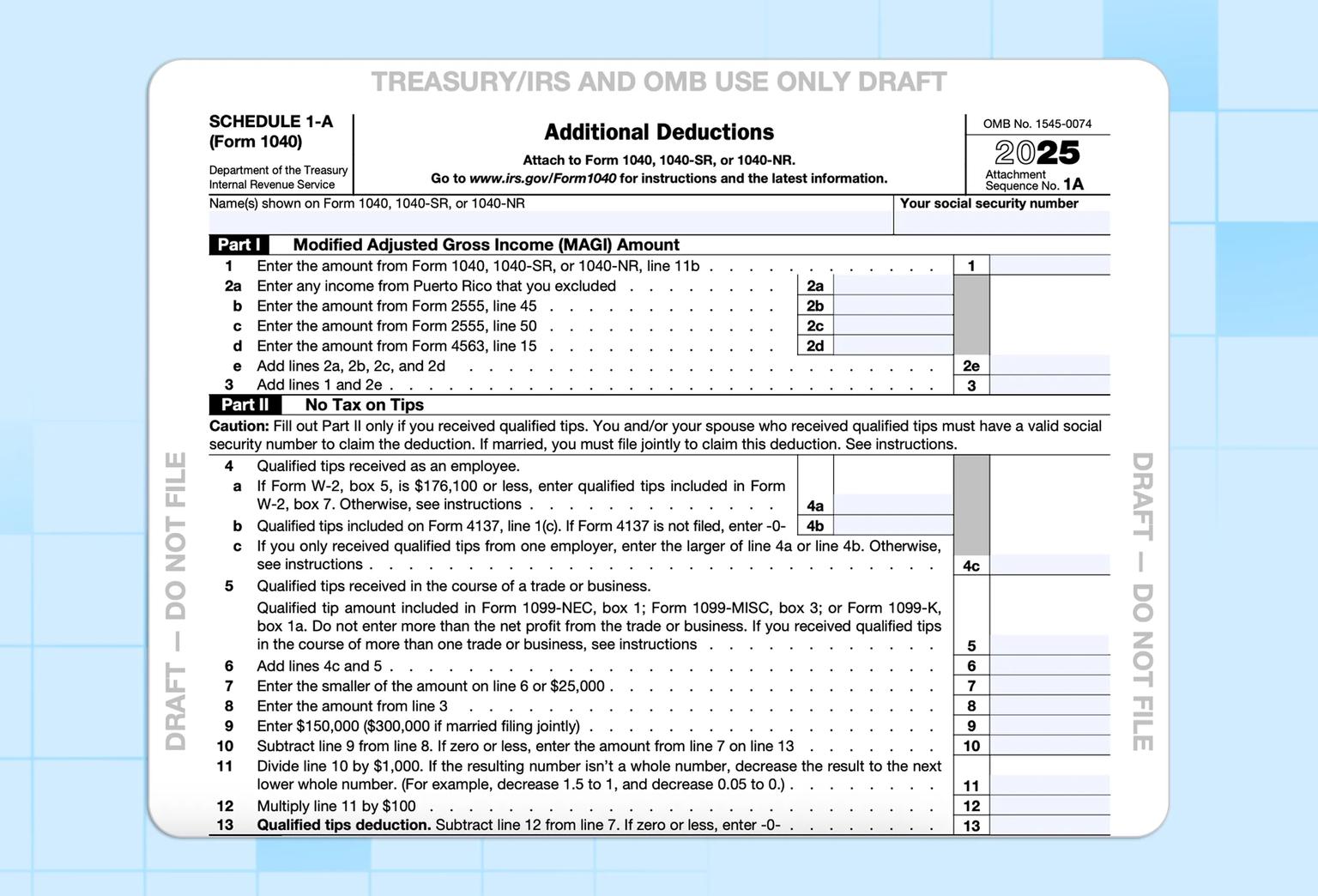 Appearance of tax form 1040
For example, if you're claiming a home office deduction, you'll need Form 8829 (Expenses for Business Use of Your Home) to calculate what percentage of your rent, utilities, and insurance payments you can write off.
If you've purchased equipment, such as a camera or computer (perhaps one that costs $5,000), you'll likely need Form 4562 (Depreciation and Amortization) to calculate the depreciation on those items.
And don't forget Form 1040-ES (Estimated Tax for Individuals) - you'll need this to make quarterly estimated tax payments throughout the year.
As you can see, tax season can get complicated in a hurry. If you're an OnlyFans creator with a successful business, it's a good idea to work with a professional who can help you navigate these forms.
Quarterly Estimated Tax Payments: Agency Management Systems
In the US tax system, taxes are typically paid as income is received throughout the year, rather than all at once on April 15. If a creator thinks they'll owe over $1,000 in taxes for the year, they're required to make quarterly estimated tax payments.
 US Tax Calendar for 2025
For creators who earn money on OnlyFans, these quarterly payments are a critical aspect of tax compliance. Agencies that support creators need to be aware of this requirement and ensure their clients are meeting it.
The due dates for quarterly payments are as follows:
- Period 1 (Jan 1 - Mar 31): Payment due April 15
- Period 2 (Apr 1 - May 31): Payment due June 15
- Period 3 (June 1 - Aug 31): Payment due September 15
- Period 4 (Sep 1 - Dec 31): Payment due January 15 of the next year
Missing these deadlines or underpaying quarterly taxes can result in penalties and interest. The IRS calculates this penalty on a quarterly basis, so it can't be resolved by simply making a larger payment at the end of the year.
To avoid these issues, agencies need to provide a range of services to their clients. These include:
- Tracking: Providing a monthly profit-and-loss statement to ensure the creator knows exactly how much money they're making.
- Calculating: Working out how much tax is owed on this income, including both income tax and self-employment tax.
- Reminding: Sending reminders to clients before each quarterly deadline.
- Facilitating: Giving clients clear instructions on how to make payments on the IRS website, or providing them with 1040-ES vouchers to pay by mail.
Agency-Provided Tax Services and Best Practices
While sending quarterly reminders is a good start, top agencies take it a step further. They provide a suite of services designed to help their clients manage taxes on their OnlyFans income.
These services may be offered in-house or through partnerships with other businesses.
1. Comprehensive Record-Keeping Systems
The IRS requires creators to keep detailed records of all income and expenses.
Without these records, it's impossible to deduct business expenses on a tax return, which means more money paid in taxes. Agencies can help by establishing a record-keeping system that suits their clients' needs.
This might be as simple as a spreadsheet or as complex as dedicated accounting software. The key is ensuring all income and expenses are tracked, with receipts kept for everything.
2. Professional Tax Preparation and CPA Partnerships
I bet you're great at marketing and managing clients, but I'd also bet you're not a CPA. (I could be wrong, but I doubt it.)
If you want the best results for your clients and the least amount of risk for your agency, you need to partner with a tax professional.
Find someone who has experience with clients in the creator economy and knows the specific rules and deductions that apply to an OnlyFans creator's business.
Your job is to gather and organize records (like we talked about in point #1), then hand them off to the pro. Let them do the heavy lifting and take care of preparing and filing taxes for your clients.
3. Accounting Software and Automation Tools
You may have clients who are solo operators (or who think they are), but your agency isn't. You need to make the most of technology so you can manage a high volume of clients without losing your mind.
Use accounting software that integrates with your clients' bank feeds to track income and expenses, and provides reports on business mileage and other important tax deductions.
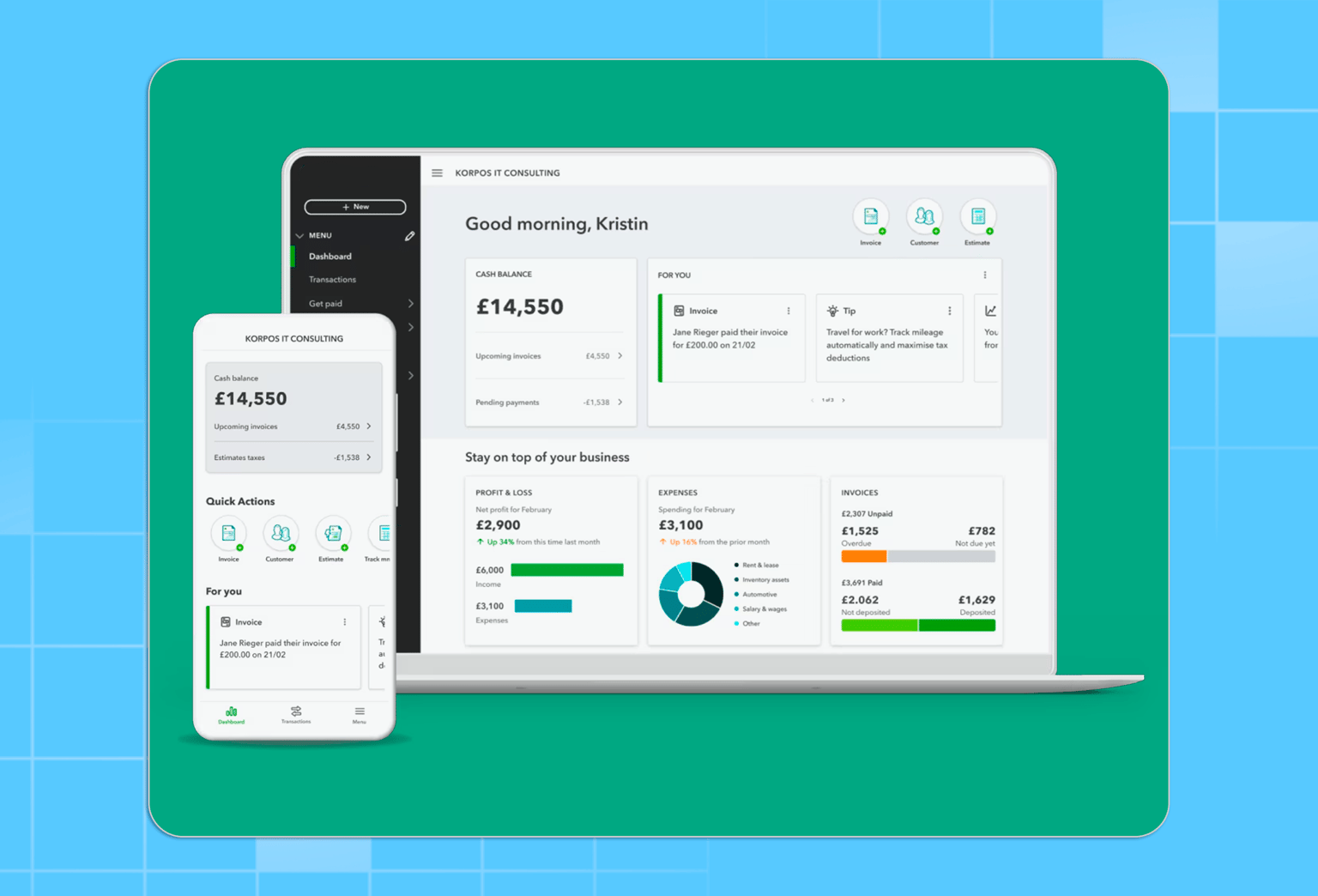 Example of multi-platform accounting software
QuickBooks Self-Employed, FreshBooks, and other platforms can do this and make quarterly estimated taxes a breeze.
4. International Tax Considerations for Multi-Jurisdiction Agencies
Serving OnlyFans creators based in other countries adds a layer of tax complexity you probably don't want to deal with.
Suppose you're in the US and one of your clients is in Canada, or you're in the UK and they're in Australia. In that case, you have a whole host of international tax issues to navigate: different tax year-ends, tax treaties, foreign tax credits, and reporting requirements (such as W-8BEN forms).
Don't even think about trying to figure it out on your own (we can't stress that enough). If you have clients outside your home country, ensure that you partner with a CPA practice or law firm that has experience in international taxation.
5. IRS Audit Protection and Compliance Support
If you are concerned about the possibility of being audited by the IRS, then you are not alone. Lots of people fear this scenario, especially those who earn a good income and claim a lot of business expenses on their tax returns. But if you keep accurate records, then you will have nothing to worry about.
If you work with a reputable CPA or tax preparation company, then they will probably include audit protection with your tax preparation services. This means that they will deal with the IRS on your behalf if you are audited. You can't put a price on that kind of peace of mind.
Conclusion
When it comes to OnlyFans taxes, being an agency is about a lot more than simply managing someone's online presence. You are their business partner, and they rely on you for a lot more than just promoting their content and interacting with fans.
Perhaps the most important part of your job is helping them with the financial side of their business. This includes taxes. The largest liability that any self-employed individual faces is taxes.
As an agency, you have a crucial role to play in helping creators understand their tax obligations, taking advantage of tax deductions they are eligible for, and staying on top of quarterly estimated tax payments.